Carbon and alloy wheelsets, Chris King and dynamo hub options, built for gravel, road, mountain and touring.
Gravel wheels need to survive rim strikes and corrugations that a road wheel never sees, without piling on weight that slows every climb. The single-speed thru-axle wheelset covers straightforward gravel builds, and the ARC 2835 All-Road Carbon wheelset steps up to a lighter, stiffer carbon rim for riders who want road-bike responsiveness with gravel-tyre clearance.
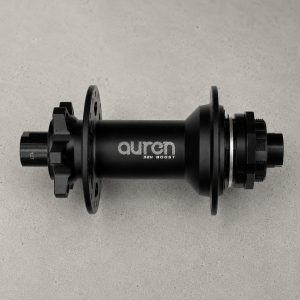
Hardtail wheels take direct impacts, not just vibration, so the boost-spaced thru-axle standard and a durable hub matter more here than outright weight. The MTB build is specced with wider hub spacing for the extra stiffness technical singletrack demands, keeping the wheel tracking true even when the terrain’s actively trying to knock it off line.
Road wheels are where aerodynamics and weight matter most, and the DRC 2845 Deep Road Carbon wheelset is built for exactly that, a deeper carbon rim profile for reduced drag at speed. Riders wanting a simpler, more affordable build can spec the single-speed thru-axle option instead, still stiff and reliable, just without the aero rim depth.
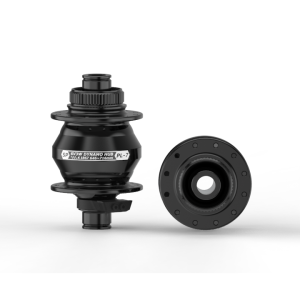
Multi-day riders away from power outlets often build a dynamo hub into the front wheel, converting pedalling into a constant low-draw power source for lights and electronics without needing to carry spare batteries. It’s a niche but genuinely valuable upgrade for anyone doing long, remote or unsupported routes, and it pairs with either of the durability-focused hub options for a wheel built to survive months on the road.
Most bikes come with whatever wheelset the manufacturer bundled in at that price point, a compromise between cost and performance that rarely suits any one rider’s actual terrain or load. Premium hand-built wheels exist in the market, sold separately at a real cost premium once you factor in a specialist wheel builder’s labour. Auren specs the wheelset, rim material, hub and spoke count, as part of the same custom build process that sets the rest of the bike, so it matches your ride style rather than a manufacturer’s average customer.
Carbon is lighter and stiffer, best suited to road and fast all-road riding. Alloy is more durable under repeated impact and easier to repair on the road, which usually makes it the better call for gravel, touring and mountain builds.
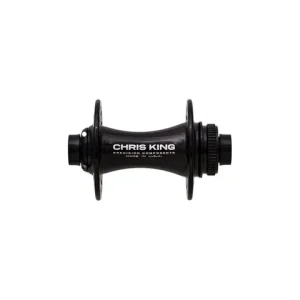
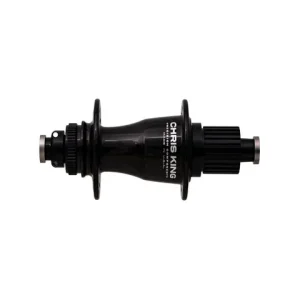
If you want the smoothest engagement and the longest service life available, yes. It’s a genuine step up in bearing quality and durability over a standard hub.
It generates power from pedalling to run lights or charge small electronics without batteries. Worth it for long, remote or unsupported touring; unnecessary for most other riding.
It depends on your weight, load and riding style. Loaded touring builds generally favour a higher spoke count for extra durability.
Yes, axle standard and spacing are matched to your specific frame and fork as part of the build.
Alloy thru-axle wheelsets run around $880; carbon wheelsets run around $1,980. A dynamo hub adds around $360. Ask Will for an exact quote.
Carbon rims are lighter and stiffer, best suited to road and fast all-road riding. Alloy rims cost less and hold up better under repeated impact, which suits gravel, touring and mountain riding.
It’s a wider hub spacing standard used on the MTB build for extra stiffness. It’s specced automatically where the frame and fork call for it.
It needs to be built into the wheel, so an existing wheel would need to be disassembled and rebuilt, which is possible but in many cases not the most economical.
Not quite. Alloy rims are easier to true or repair on the road if seriously damaged, which is why they remain the more common choice for gravel and touring builds.
Yes, it’s an upgrade option across Auren’s wheelset range. Standard hubs and Chris King both build into the same wheels.
1 week to 2 months is the current lead time on a standalone wheelset order depeding on input part availability.
Frame or full bike, every build starts the same way: designed around you. If you're weighing up where you ride most, start here.
From spec decisions to the fine print, everything you need before locking in your frame.