How much does a good gravel bike cost?
Entry alloy bikes start around $1,200–$2,500, the mid tier runs $2,500–$5,000, premium carbon $5,000–$12,000, and custom titanium $7,000–$30,000. The cheapest capable option is a solid alloy bike; the best long-term value, if you’ll keep it for decades, is a frame built around you.
What are the advantages of a gravel bike?
Versatility above all — one bike for road, dirt, commuting and touring. Wide tyres for comfort and grip, mounts for luggage, lower gearing for loaded climbs, and stable handling for long days. For most riders it replaces two or three more specialised bikes.
What are the disadvantages of a gravel bike?
It gives up a little outright speed to a dedicated road bike on tarmac, and a little capability to a mountain bike on technical trails. It’s a generalist, so it’s rarely the absolute best tool for any single extreme — but it covers more ground than anything that is.
Is titanium worth it for a gravel bike?
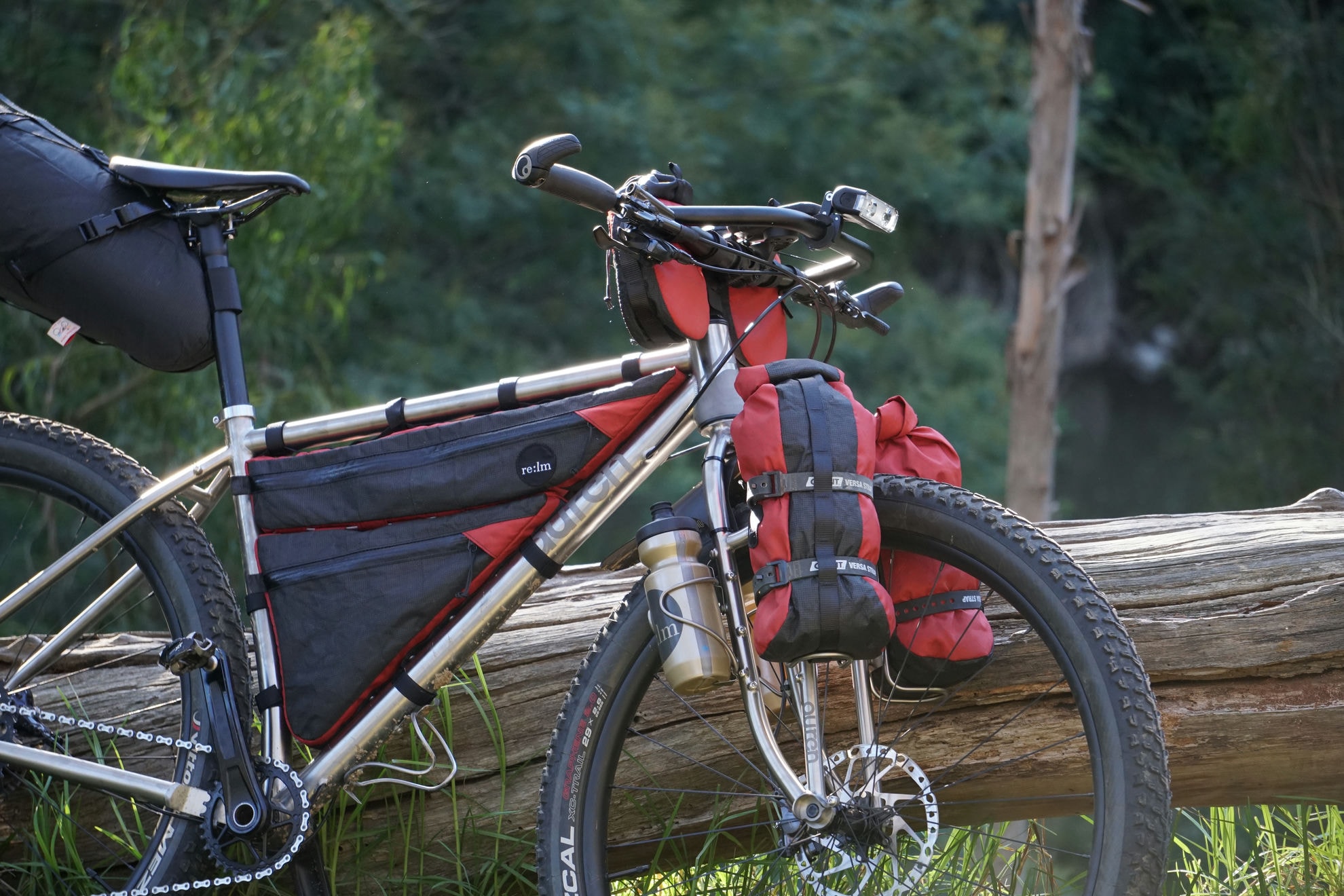
For a forever frame, it’s the strongest fit. Titanium’s natural compliance takes the edge off rough surfaces without suspension, it doesn’t rust or fatigue, it takes mounts for bikepacking, and it lasts for decades. The value case is whole-of-life: a high upfront price spread across a frame you won’t replace.
Titanium, steel or carbon for gravel?
Titanium is the best fit — comfort, durability and longevity together. Steel is a strong alternative with a superb, supple ride and field repairability, at a weight penalty on climbs. Carbon is light and fast with tuned compliance, but the impact risk on rocky, remote terrain is a real consideration.
What gearing should a gravel bike have?
It depends on the riding. Racers often run a 2× for fine cadence steps and a higher top end; most riders are well served by a wide-range 1× (around a 40T chainring with a 10–44T cassette) for simplicity. Loaded touring wants the lowest, widest range — a smaller chainring to keep your legs turning under weight.
1× or 2× for gravel?
1× is simpler, lighter and quieter, with one shifter and nothing to think about — the popular all-round choice. 2× gives finer steps between gears and a higher top end, which racers and riders coming from the road often prefer on fast, flat courses. Neither is better outright; it follows how you ride.
Can one gravel bike do both racing and bikepacking?
Up to a point. A frame is always tuned toward one end of the spectrum, but generous tyre clearance lets one bike stretch a long way — 700c wheels and fast tyres for speed, 650b and fat rubber for loaded adventure. A custom frame can be tuned to sit deliberately in the middle, or toward the end you ride most.
What is tyre clearance and why does it matter?
Tyre clearance is the widest tyre a frame and fork can fit. It matters because tyre width is the biggest lever on how a gravel bike rides — comfort, grip and float all come from it. More clearance means one frame can run anything from fast narrow tyres to wide adventure rubber, covering more of the spectrum.
Are gravel bikes good for beginners?
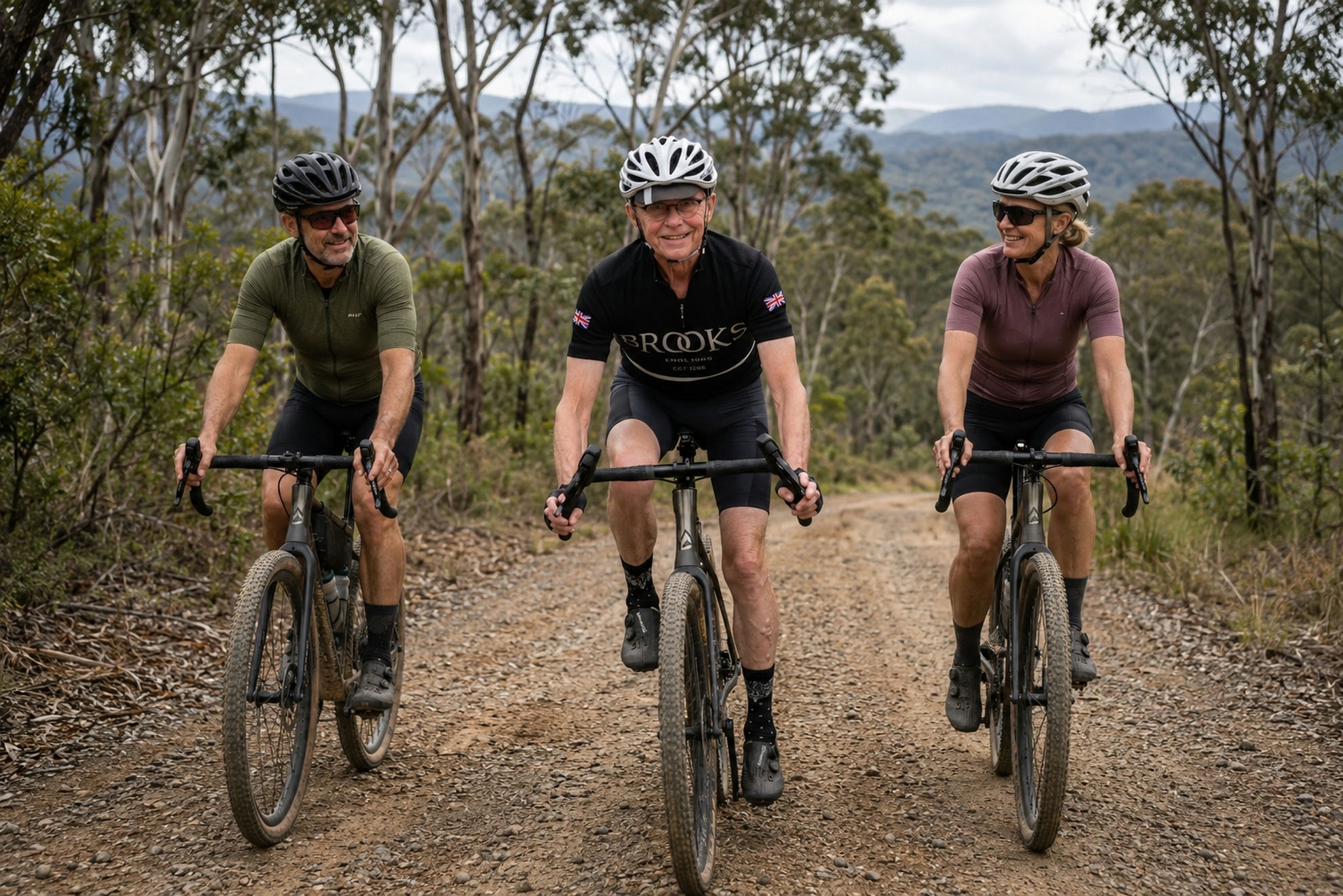
Yes. They’re forgiving, stable and comfortable, with a more upright position than a road bike and wide tyres that roll over rough ground confidently. They’re also the most useful first drop-bar bike, because one bike covers commuting, fitness, social rides and light touring while you work out what you enjoy most.
What's the best value gravel bike?
For a first bike, a capable alloy build in the $1,200–$2,500 range is the cheapest sensible entry. For long-term value, a custom titanium frame costs more upfront but spreads across decades of riding without replacement — the best value depends entirely on how long you intend to keep it.
Do I need a custom gravel bike, or will off-the-shelf do?
Off-the-shelf gravel bikes are genuinely good, and for many riders they’re the right call. Custom earns its place when your proportions fall between sizes, when you ride a specific point on the spectrum an off-the-shelf model compromises, or when you want one frame built around your geometry, spec and bag fit rather than chosen from a chart.
How is a custom frame bag better than an off-the-shelf one?
Because the frame geometry is yours, a custom frame bag fills the entire main triangle — no wasted litres. Off-the-shelf frames are built to a size chart, so a generic bag leaves dead space around it. On a loaded trip, capacity that fits the bike exactly is capacity you actually use.
Is gravel riding popular in Australia?
Increasingly so. Gravel racing is booming, with a record national calendar and the 2026 UCI Gravel World Championships in Nannup, WA. Australia’s mix of fire trails, quiet back roads and remote terrain suits the bike well, and the sport is growing fast at both the racing and the social-riding ends.
How long does a titanium gravel bike last?
Effectively decades. Titanium doesn’t rust and doesn’t fatigue the way aluminium can, so a well-built titanium frame outlives multiple groupsets and wheelsets. It’s the reason the material suits a “forever frame” — you buy it once and rebuild the parts around it over the years.

 Written by Will — Auren, Founder and Engineer