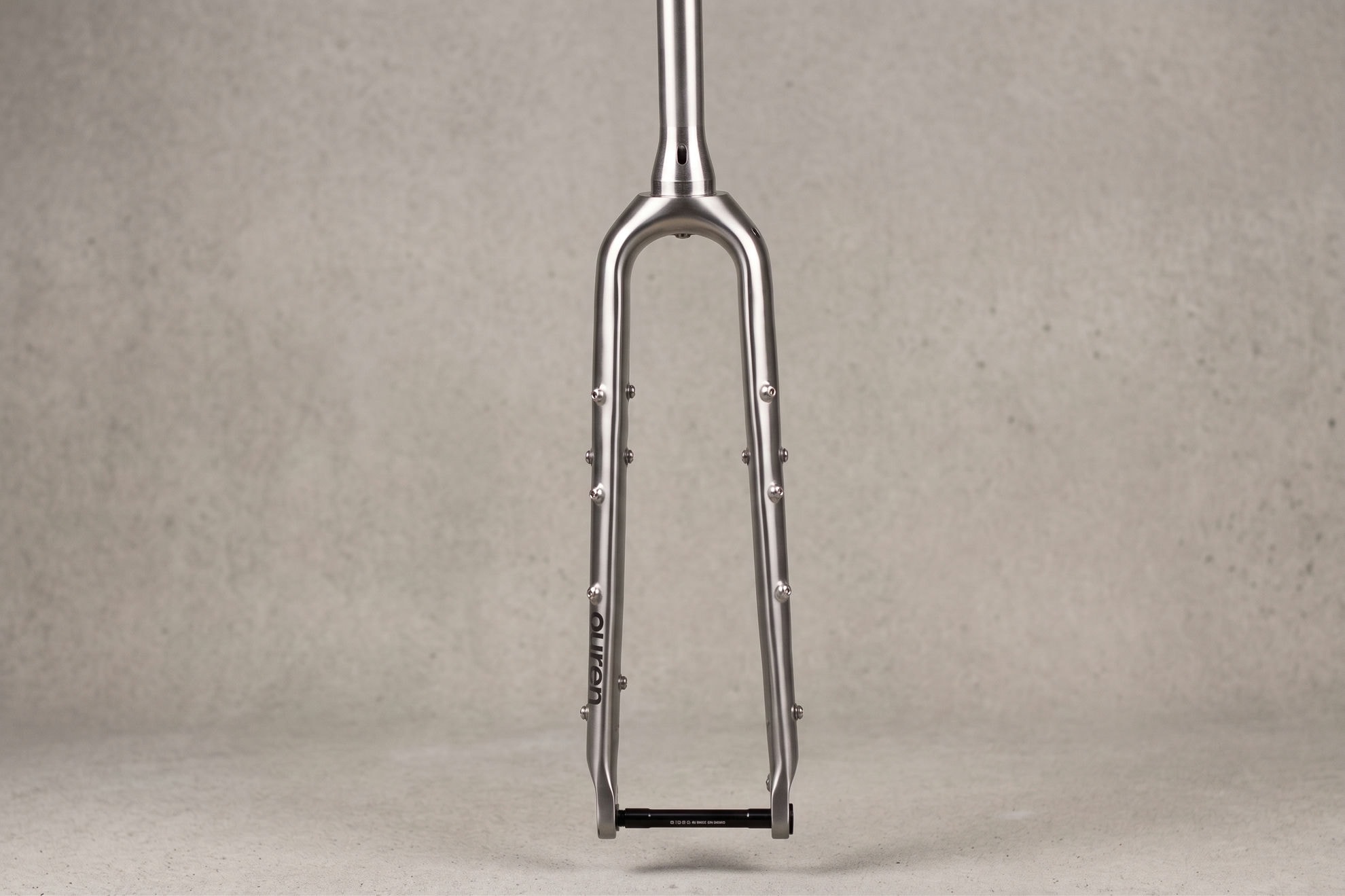
The ultimate guide to bike materials
The frame material is a crucial factor in how a bike feels, lasts and rides. This guide comes in three parts.
The frame material is a crucial factor in how a bike feels, lasts and rides. This guide breaks down the five main materials a frame is actually built from: titanium, carbon fibre, steel, aluminium and an honourable mention, bamboo.
It scores each one on the factors that matter, then matches them to the way you ride, road, gravel, adventure, touring and more, and gives you an overview of the market.
The frame material is a crucial factor in how a bike feels, lasts and rides. This guide comes in three parts.
Each material scored out of ten on lightness, affordability, comfort, durability and finishing, with how it actually rides. Flick through the five.
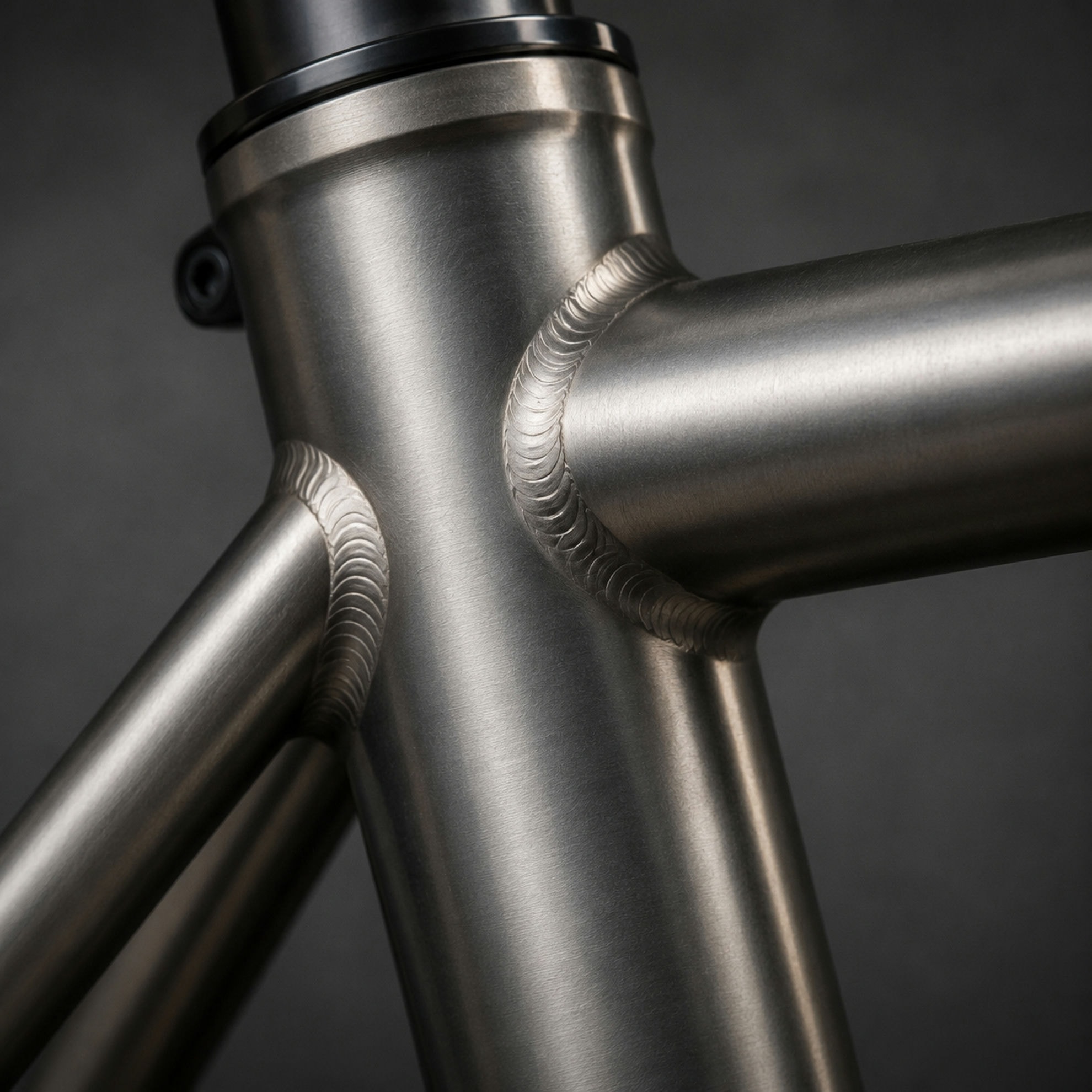
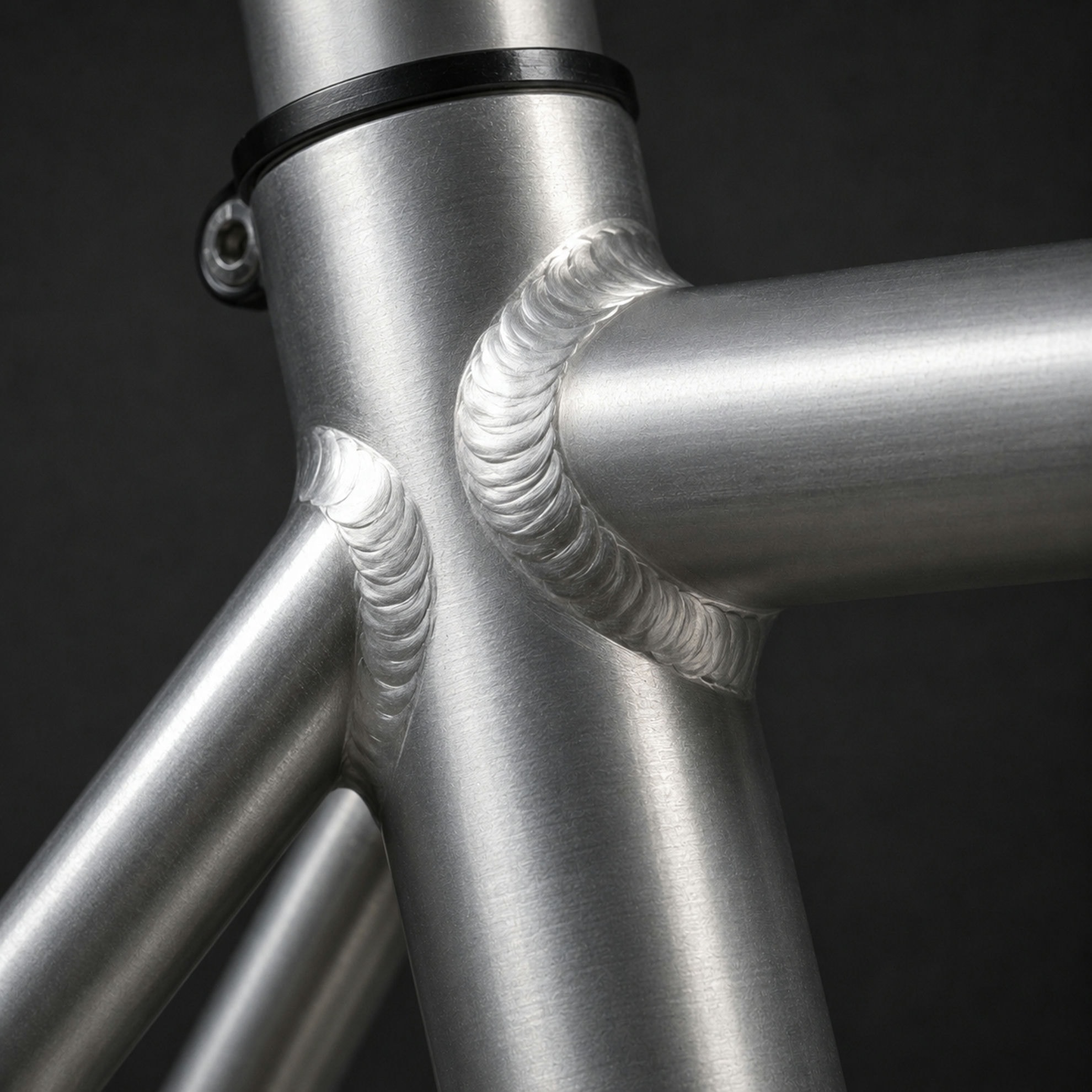
Titanium combines stiffness and lightness without the fatigue problems of aluminium or the crack risk of carbon, and it simply doesn't corrode. A well-built frame can be ridden for thirty years and polished back to new.
Two grades are used: Grade 9 (3Al-2.5V) is the workable, weldable standard most custom builders use, while Grade 5 (6Al-4V) is roughly 50% stronger in tensile terms, allowing thinner walls and marginally lighter frames, but it's harder to form and more expensive. The two ride near-identically, frame design matters more than grade.
Finishing. Distinctive: raw brushed (the classic), sandblasted, engraving and anodising all show off the bare metal. Paint and wraps are possible, but most owners want the titanium visible.
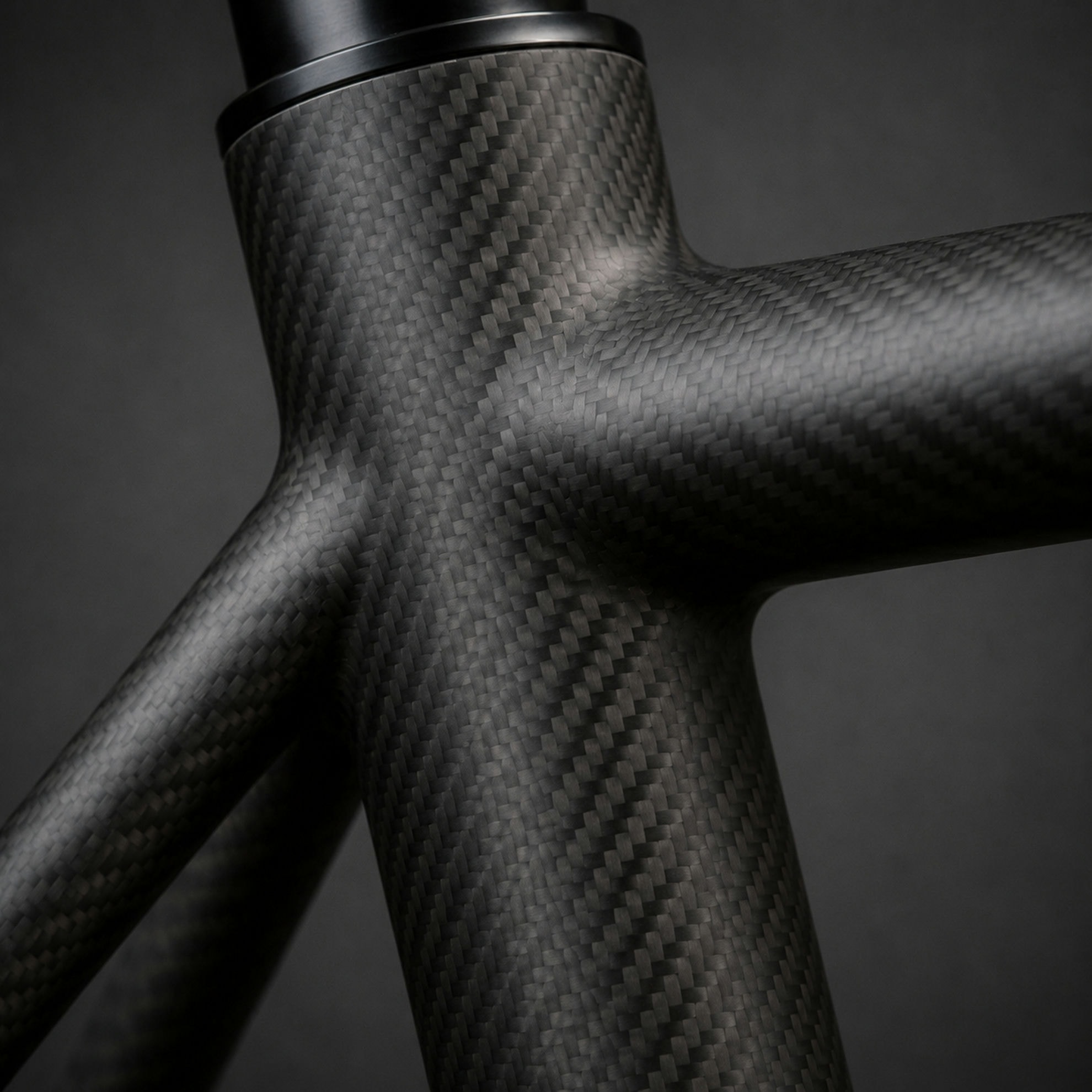
Carbon offers the best stiffness-to-weight ratio of any material and, crucially, lets the builder engineer ride quality: stiff at the bottom bracket for power transfer, compliant at the seat stays for comfort, and almost any aerodynamic shape.
The "T" grades refer to tensile strength: T700 is the affordable entry standard, T800 the premium sweet spot, T1000+ the flagship that allows 10–15% weight savings. Construction matters as much as fibre grade. The catch: carbon can crack on impact, and the damage isn't always visible.
Finishing. Extremely flexible: exposed weave, full paint, matte or gloss, and wraps all work well without harming structure.
The original frame material, still prized for how it rides. Quality steel, Reynolds 853, Columbus Spirit, Reynolds 953 stainless, gives a supple, "alive" ride and is genuinely repairable and very durable. The premium tubes are air-hardened and heat-treated, which strengthens the weld area.
The trade-off is weight: even thin-wall butted chromoly is usually the heaviest mainstream option, a pound or two more than carbon. It can rust if the paint is breached, though stainless variants (953) sidestep this. Much of steel's famous ride feel comes from tube design and geometry, not the brand sticker.
Finishing. Paints superbly: the traditional choice for lugwork and detailed paint. Stainless can be polished; wraps are straightforward.
Aluminium delivers a strong balance of low weight, stiffness and affordability, the go-to for budget and mid-range bikes. 6061 is the common, weldable, corrosion-resistant alloy; 7075 is stronger but harder to weld and rarer in frames.
It's stiff, which means efficient power transfer, but historically a harsher ride, though modern hydroforming and wider tyres have softened that reputation. The real limitation is fatigue life: unlike steel and titanium, aluminium accumulates microscopic stress over time and has a finite lifespan, making it more of a "ride it for years then upgrade" frame than a forever bike.
Finishing. Anodising is a natural fit, and paint and wraps both work well.
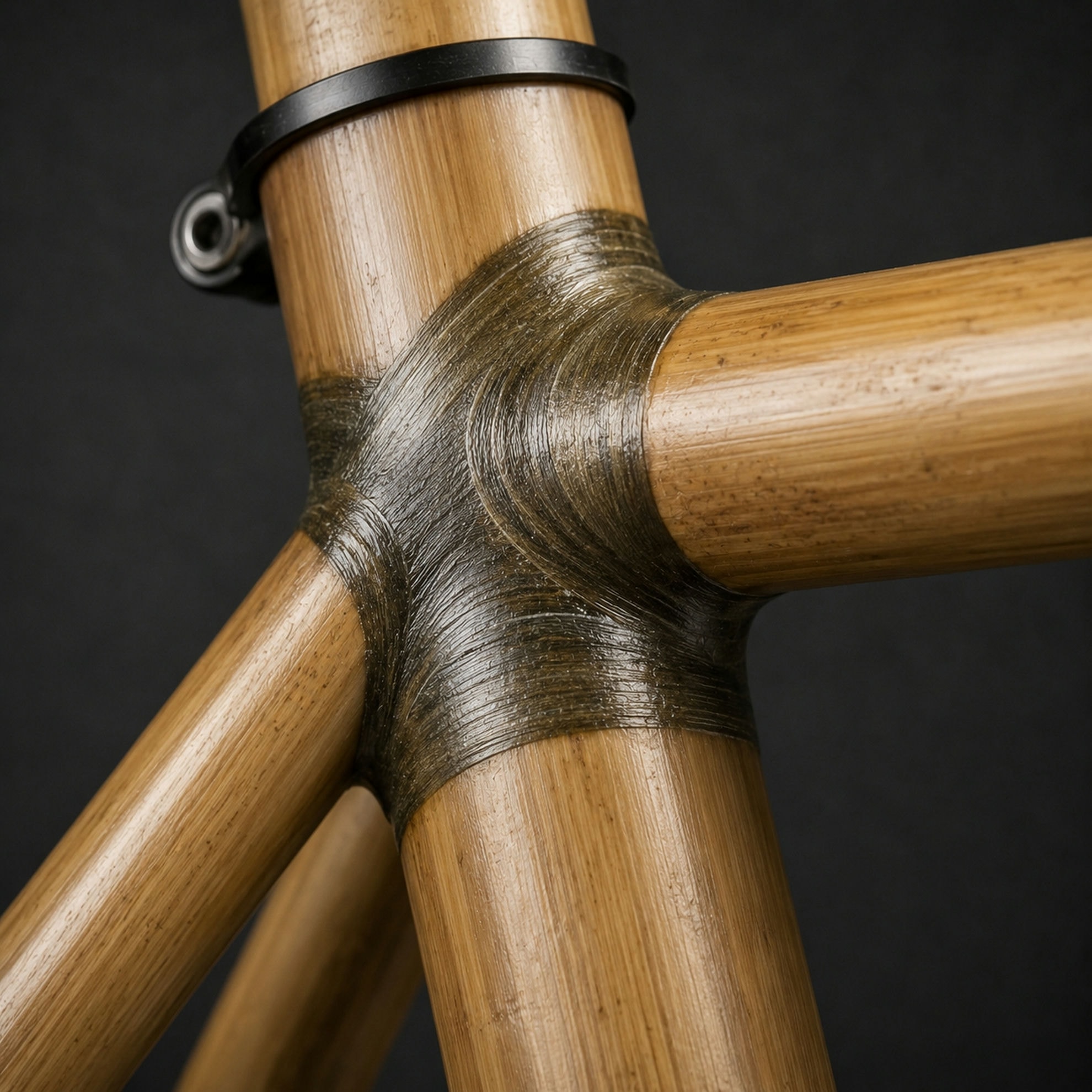
The outlier: sustainable, beautiful and genuinely comfortable. Bamboo's standout quality is vibration damping: its lignin structure absorbs road buzz better than any other material, making it exceptionally smooth on rough surfaces and long days.
It has a respectable strength-to-weight ratio, and some builders report no failures even after crashes. The downsides: finished bikes run heavier (8–10 kg complete), the natural material can't be fine-tuned like carbon or metal, the joints are the weak point, and it needs lacquer maintenance. A specialist, character choice rather than a performance one.
Finishing. The natural bamboo grain is the finish, sealed with lacquers and varnishes. Less scope for paint or wraps, and most owners wouldn't want to hide it.
Stiffness. Stiffness would generally be lacking, so it's more for a casual ride than a sprint.
Whether you're a road warrior, a daily commuter or a multi-day adventure seeker, different materials suit different riding. Each gives a best fit, a strong alternative, and the one to be wary of. Flick through to find yours.
The road rider wants stiffness for power transfer, low weight for climbing, and a frame that holds up to serious mileage, the most performance-and-weight-driven discipline.
The lightest, stiffest where it counts, and the seat-stay compliance can be tuned so it isn't punishing over a long ride. The aero shaping is a genuine advantage no metal can match.
A little heavier than top carbon, but the springy compliance suits long road days and decade-long ownership, and it won't crack if it goes down in a bunch.
Capable and stiff, but the harsher ride shows up most on long road days, and the finite fatigue life works against a forever road bike.
Mixed surfaces, long days, washboard fire trails and broken bitumen. Comfort over a full day matters as much as outright speed, and the frame needs to absorb a beating without wearing the rider out.
The natural compliance soaks up rough surfaces, it takes racks and mounts for bikepacking, and it lasts for decades. Comfort, durability and weight all land where gravel needs them.
The supple, "alive" ride feel is superb on gravel, it's tough and repairable in the field, and quality tubing keeps it competitive. The penalty is weight on long climbs.
With tuned compliance and clearance it's light and fast, but the impact risk on rocky, remote terrain is a real consideration.
Train out of the city, ride proper trails, technical singletrack, rougher terrain than the gravel rider seeks. Durability over weight is the priority: a frame that takes hits without giving up.
Both prize toughness and repairability over grams. Steel shrugs off impacts and can be repaired anywhere; titanium adds no-rust, no-fatigue longevity for a frame that lives hard for decades.
Crash-tolerant and affordable, sensible if the frame is treated as replaceable rather than a forever bike.
Light and capable, but a hidden crack from a rock strike on a remote trail is the exact failure mode you don't want far from help.
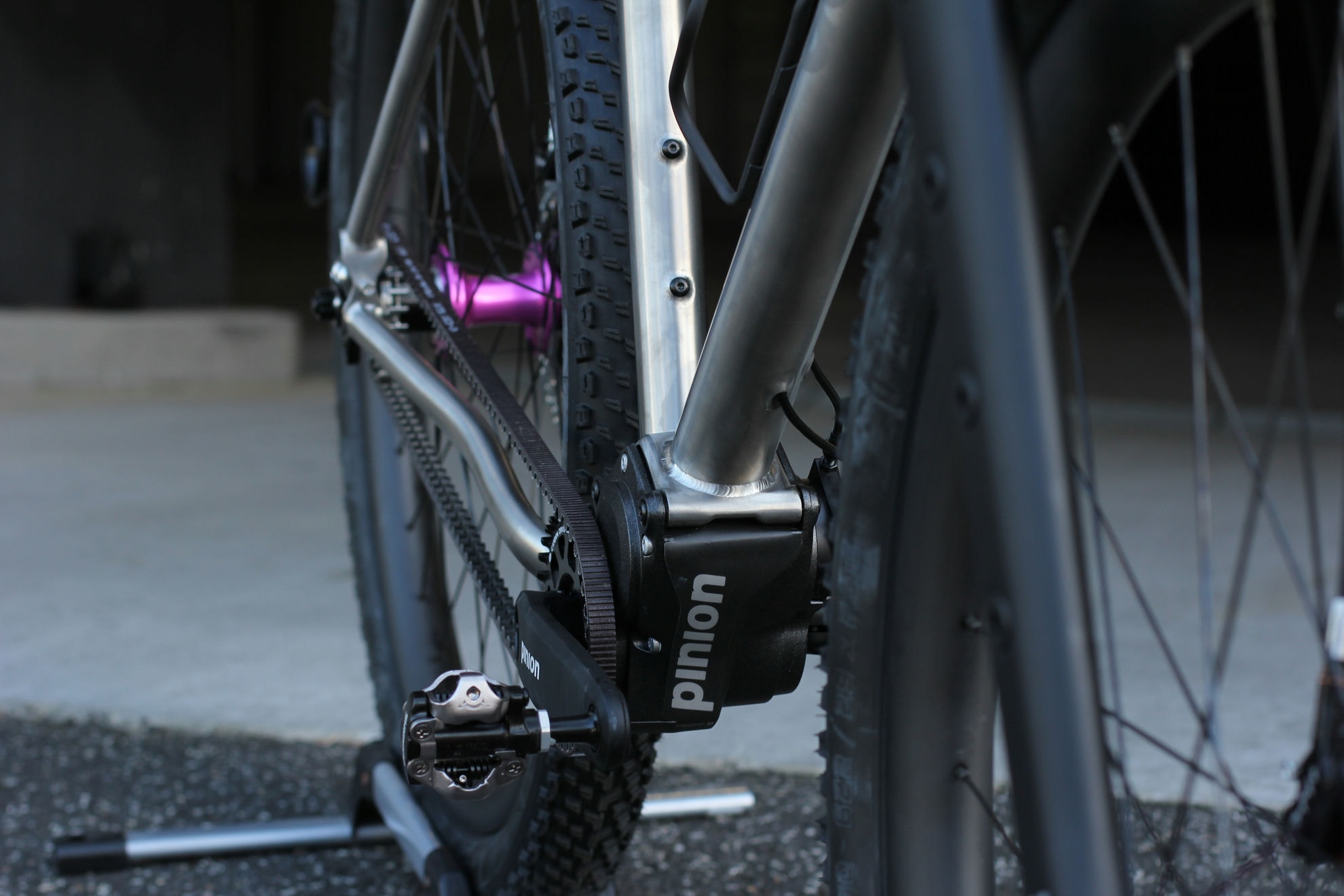
A Pinion gearbox has to be designed into the frame from the start, the bottom-bracket area is built around the gearbox mount, so this is inherently a custom-frame decision. The gearbox centralises weight and demands a stiff, precisely-built mounting area.
Custom geometry is already the requirement, and a Pinion build is a from-scratch frame, so a material built around the rider is the natural match. Durability suits the touring and adventure riders who gravitate to gearboxes.
Long the traditional gearbox material, repairable, and the supple ride pairs well with the loaded touring these bikes often see.
Carbon and aluminium gearbox frames exist but are rarer and need careful engineering around the mount; bamboo can't deliver the precision the interface demands.
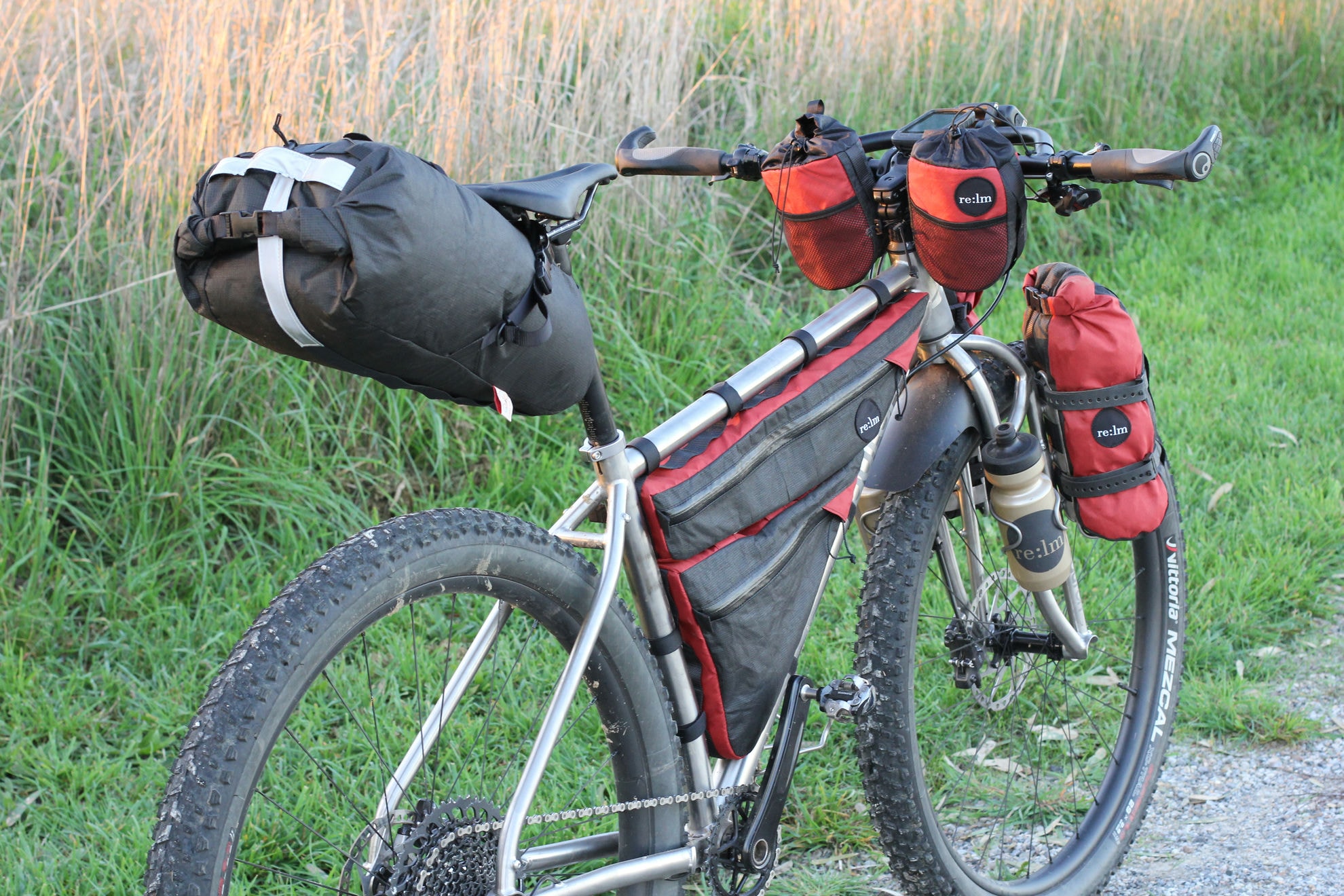
Multi-day trips carrying everything on the bike. Durability, mount capacity, repairability and all-day comfort are the priorities.
Carries the load, soaks up the miles, and lasts.
Equally durable and repairable anywhere in the world, at a weight penalty.
For remote, heavily-loaded touring, impact risk and field-repairability count against it.
The daily ride, errands, the trip to work, normal clothes. Value, low fuss and durability matter more than outright performance.
The value pick, light enough and cheap to replace. This is increasingly the eBike end of the market, where aluminium handles motor and battery loads cheaply.
If comfort and longevity matter more than price.
See these guides on how to find the right bike for you.
The frame-material market is shifting, and a few movements are worth knowing before you buy. Pick a topic.
Carbon is the clear momentum leader in the mass and performance market. For anyone searching "gravel bike," it's the default they'll see first, and Toray fibre advances keep pushing it lighter. The nuance: carbon dominates stock bikes but stays rare and expensive as a true custom-geometry option, because dedicated moulds are costly.
The most interesting movement for the custom world. Steel never died in handbuilding, and the last few years have seen a clear resurgence, more young framebuilders picking up the torch, with visible momentum at shows like Bespoked. Modern heat-treated tubing has shaken off steel's "heavy" reputation, making it a natural choice for adventure, touring and all-road custom builds.
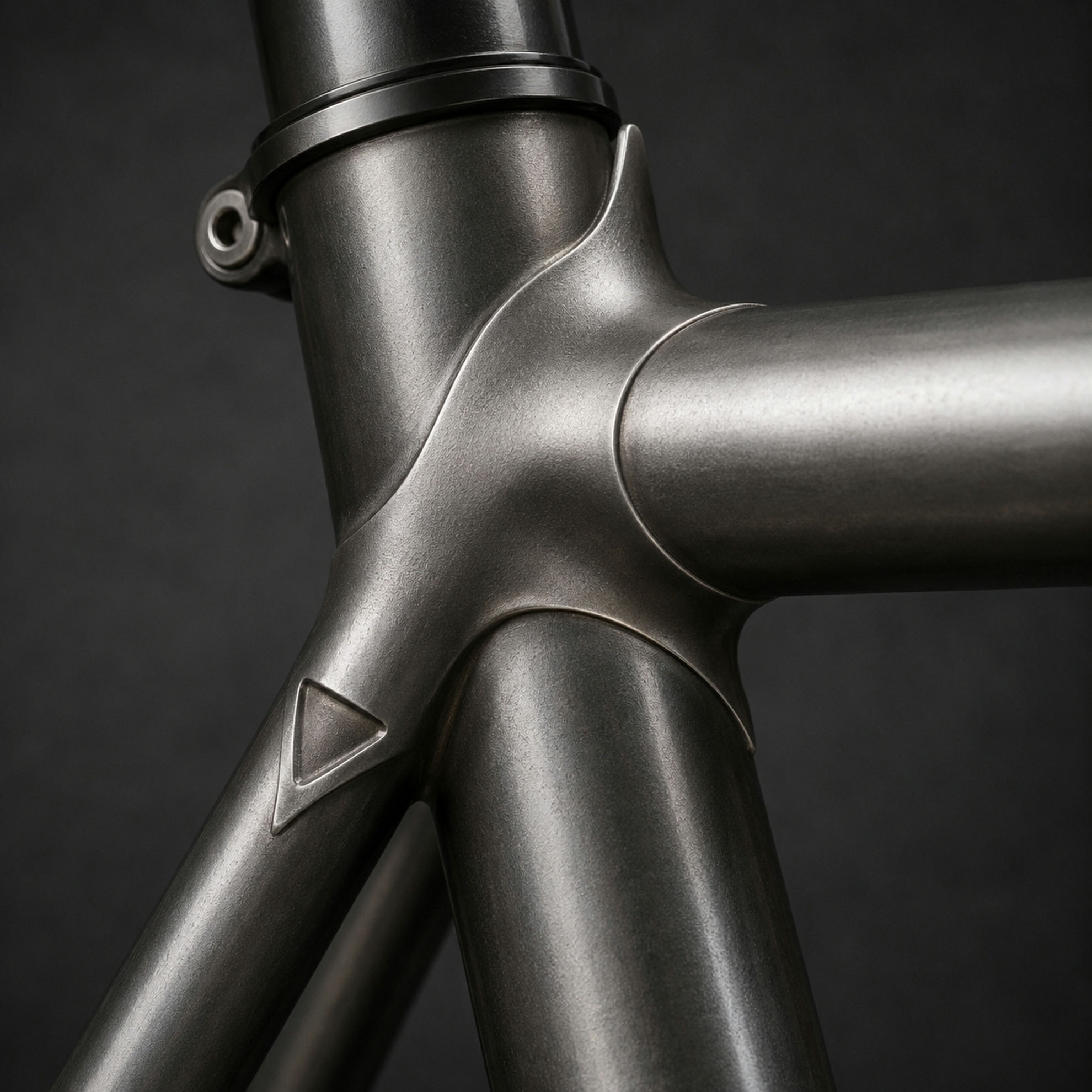
Titanium isn't a mass-market growth story, it holds a defined niche in premium custom frames. But two forces are working for it: the broader move toward accessible custom geometry, and 3D printing, where builders are now producing aero-optimised, fully custom Grade 5 titanium frames that weren't previously possible.
Dominant in mid-range and increasingly the default eBike frame material because it handles motor and battery loads cheaply. Huge and stable, but not aspirational.
A devoted following for comfort and sustainability, but a character-and-values purchase rather than a growing category.
The single strongest signal across the market isn't about any one material, it's the shift toward personalisation, as riders increasingly want geometry and aesthetics tailored to how they ride. Gravel's do-it-all versatility is the fastest-growing discipline, and it overlaps almost perfectly with the custom buyer.
There's no single best, it depends on how you ride. Carbon is the lightest and best for performance and racing; titanium is the most durable all-rounder and a genuine forever-frame; steel rides beautifully and repairs anywhere; aluminium is the value pick; bamboo is the comfort-and-character outlier. The right material is the one whose trade-offs match your riding, budget and how long you want to keep the bike.
Neither is simply better, they're different tools. Carbon is lighter, stiffer where it counts and can be shaped aerodynamically, which makes it the performance benchmark. Titanium is heavier but won't crack on impact, won't corrode, and lasts effectively a lifetime. Carbon suits the rider chasing weight and speed; titanium suits the rider who wants one durable bike for decades.
Titanium is costly both as a raw material and to work with, it's harder to form, weld and finish than steel or aluminium, and it demands skilled labour. You're paying for a metal that won't rust or fatigue and a frame that can last thirty years, so the cost is spread across a much longer ownership than a cheaper frame that gets replaced.
No. Titanium doesn't corrode, salt air, rain, sweat and mud have no effect on it. A well-built titanium frame can be ridden hard for decades and polished back to near-new, which is a large part of why it's considered a lifetime material.
A long time if it's never badly damaged, but carbon's weakness is impact. A hard, concentrated hit, a crash, a rock strike, a dropped bike, can crack it, and the damage isn't always visible. Undamaged and well cared for, a quality carbon frame lasts many years; the risk is sudden failure from impact rather than gradual wear.
Yes. Unlike steel and titanium, aluminium accumulates microscopic stress with use and has a finite fatigue life, it will eventually wear out even without a crash. That's why aluminium is often treated as a "ride it for years, then upgrade" frame rather than a forever bike, though a good one still lasts a long time in normal use.
Generally yes, even thin-wall butted chromoly is usually the heaviest mainstream option, typically a pound or two more than carbon. The trade-off buys a supple ride, real durability and field-repairability. Modern heat-treated tubing has narrowed the gap, but if outright low weight is the priority, steel isn't the lightest choice.
Bamboo damps vibration better than any other material thanks to its natural structure, making it the smoothest on rough surfaces. Among the mainstream materials, steel and titanium are both famously compliant, and carbon can be engineered for comfort at the seat stays. Aluminium is the stiffest and historically the harshest, though wider tyres and modern shaping have softened that.
Carbon fibre, it has the best stiffness-to-weight ratio of any frame material, with frames typically around 0.8–1.1 kg. High-grade fibres (T800, T1000+) let builders remove even more material. Aluminium and titanium are next; steel and complete bamboo bikes are the heaviest.
Both are tough, long-lasting metals with a lovely ride. Steel is cheaper, repairable almost anywhere, and slightly more compliant, but heavier and can rust if the finish is breached. Titanium is lighter, won't rust or fatigue, and lasts a lifetime, but costs more. Choose steel for value and classic ride feel; titanium for longevity and a no-maintenance metal.
More from design than from the material badge. Tube shapes, wall thickness, frame geometry and tyre choice influence how a bike rides as much as, often more than, whether it's steel, titanium or carbon. A well-designed frame in one material can ride better than a poorly designed one in a "better" material, which is why builders stress geometry over the headline metal.
Less than people think. Grade 9 (3Al-2.5V) is the workable, weldable standard most custom builders use; Grade 5 (6Al-4V) is stronger, allowing thinner, slightly lighter walls, but it's harder to form and more expensive. The two ride near-identically, frame design matters far more than which grade is used.
They describe the tensile strength of the carbon fibre. T700 is the affordable entry standard, T800 the premium sweet spot, and T1000+ the flagship that lets builders shave 10–15% weight. Construction matters as much as grade, though, a well-laid-up, properly cured frame beats a cheaply built one made from higher-grade fibre.
It's possible but specialised, carbon repair requires a skilled shop and isn't something you can do in the field. Metal frames (especially steel and titanium) are far more repairable, which is part of why remote and expedition riders often favour them over carbon for trips far from help.
Titanium is a natural fit, its compliance soaks up rough surfaces, it takes racks and mounts for bikepacking, and it lasts for decades. Steel is a strong alternative with a superb ride feel at a weight penalty, and carbon works well when tuned for compliance, though impact risk on rocky, remote terrain is worth weighing.
Carbon, for most riders, it's the lightest, stiffest where it matters, and can be tuned for comfort and shaped aerodynamically. Titanium is a strong alternative for the rider who wants one durable bike for life and won't crack it in a bunch crash, at a small weight penalty over top carbon.
Aluminium is the value pick, light enough, affordable and cheap to replace. Steel is a good alternative if comfort and longevity matter more than price. Aluminium also handles motor and battery loads cheaply, which is why it's increasingly the default on eBikes.
Genuinely, for the right rider. Bamboo damps vibration better than any other material and makes a uniquely comfortable, sustainable, one-of-a-kind bike. The downsides are weight (complete bikes run 8–10 kg), limited tunability, joints as the weak point, and lacquer maintenance. It's a character-and-comfort choice rather than a performance one.
They matter in different ways. The frame material sets the bike's fundamental character, weight, comfort, durability and lifespan, and you can't change it later without a new frame. Components (drivetrain, wheels, brakes) shape day-to-day performance and can be upgraded over time. For a bike you intend to keep, the frame is the decision that lasts.
Titanium, in practical terms, it won't rust or fatigue, so a well-built frame can be ridden for thirty years and still look new. Steel is also extremely durable and repairable but can rust if unprotected. Carbon lasts well if never damaged but is impact-vulnerable, and aluminium has a finite fatigue life by nature.

Picking the material is the first decision. The rest, geometry, tyre clearance, mounts, finish, is where a frame stops being a spec sheet and starts being yours. That's what a custom build is for: a frame matched to how you ride, in the material that suits it.
Custom titanium · Built around you · Made in Melbourne