 Written by Will, Auren founder and engineer
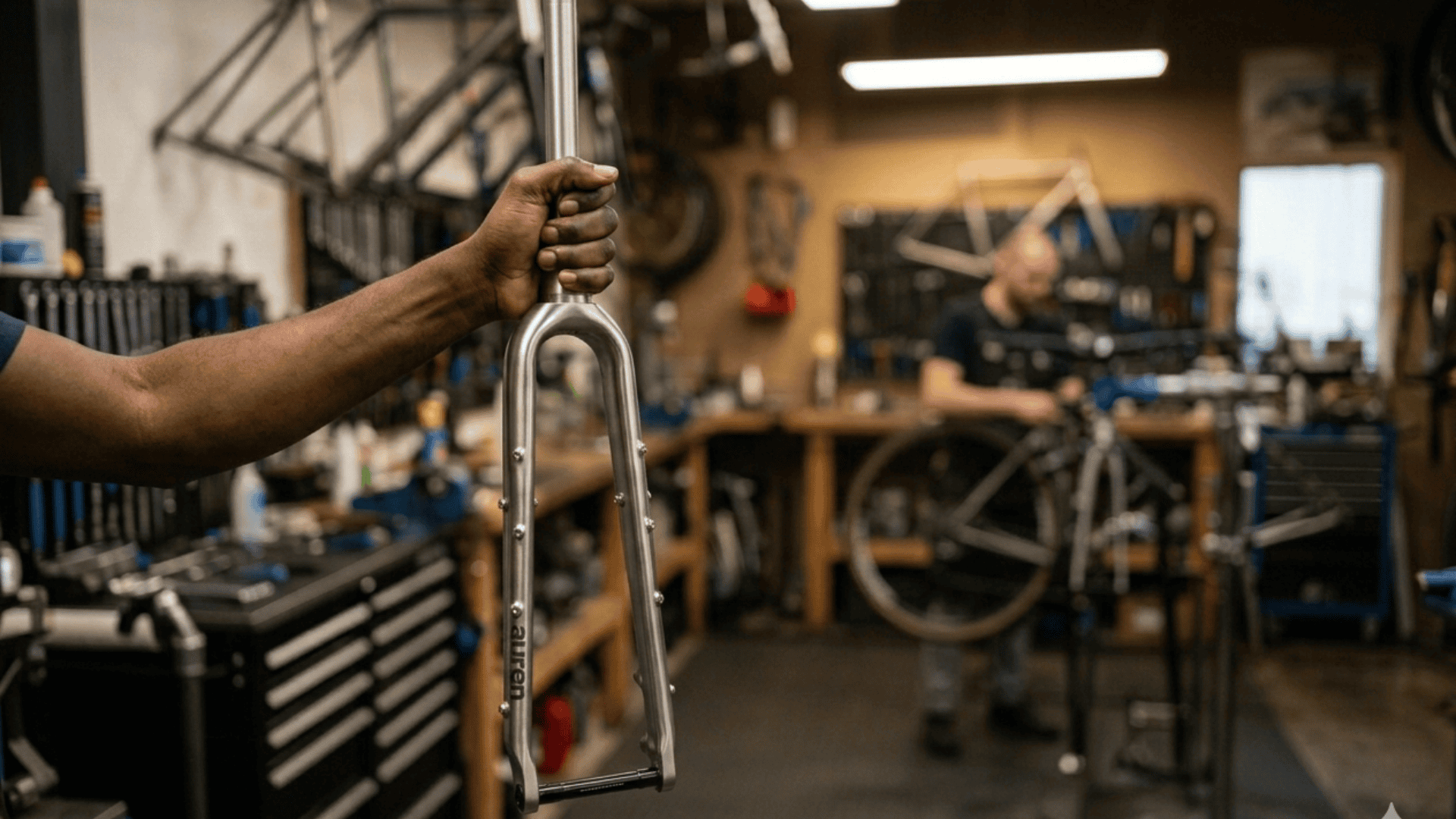
Rigid or suspension: the first decision
Where every fork choice starts.
Before material, before brand, before numbers, there is one fork decision that shapes all the others: rigid or suspension.
A suspension fork uses an air spring or coil and a damper to absorb impacts. It is the right answer for aggressive mountain biking — technical singletrack, drops, sustained rough descents — where the terrain demands real travel. It adds weight and moving parts that need servicing, and it costs efficiency on smooth ground.
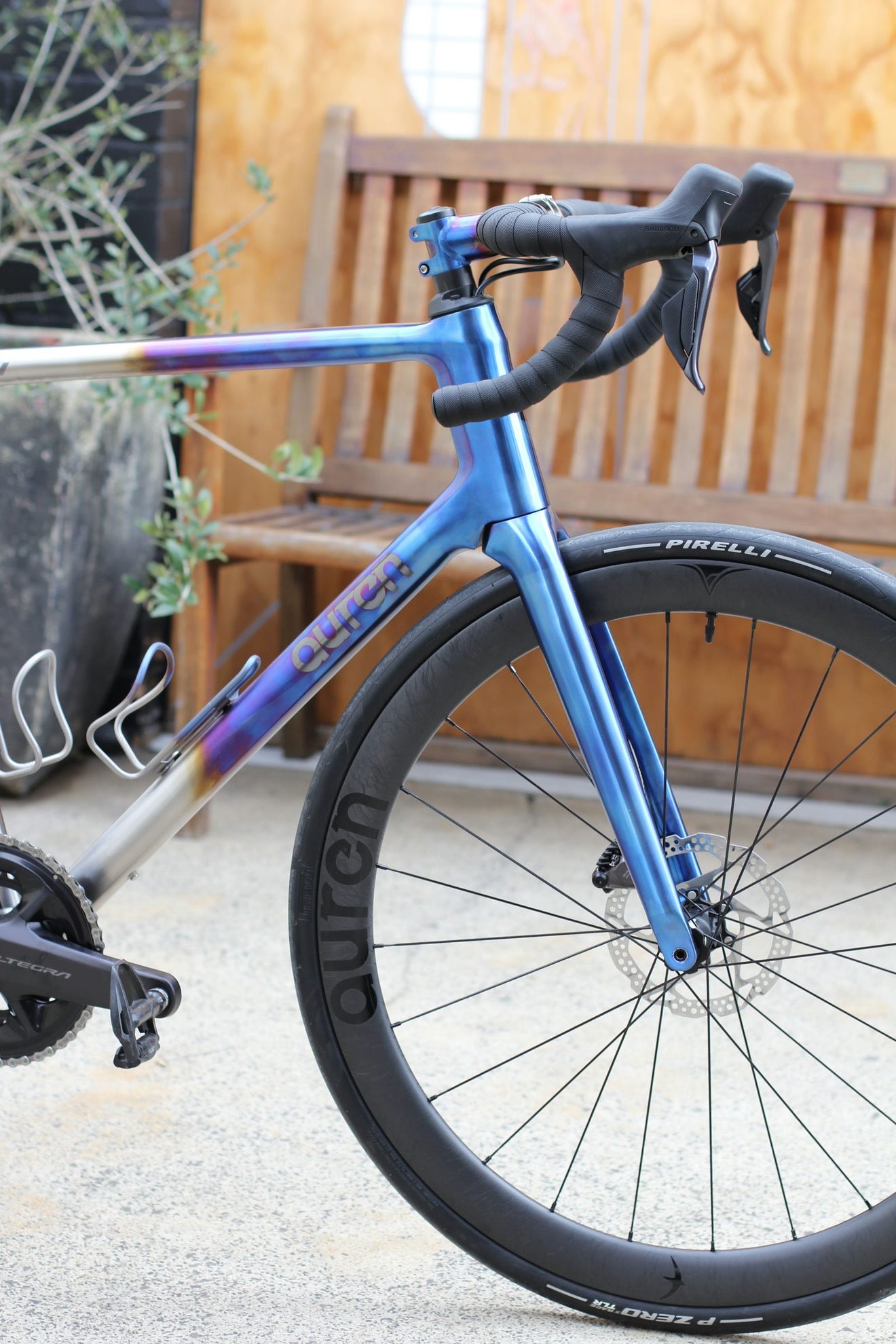
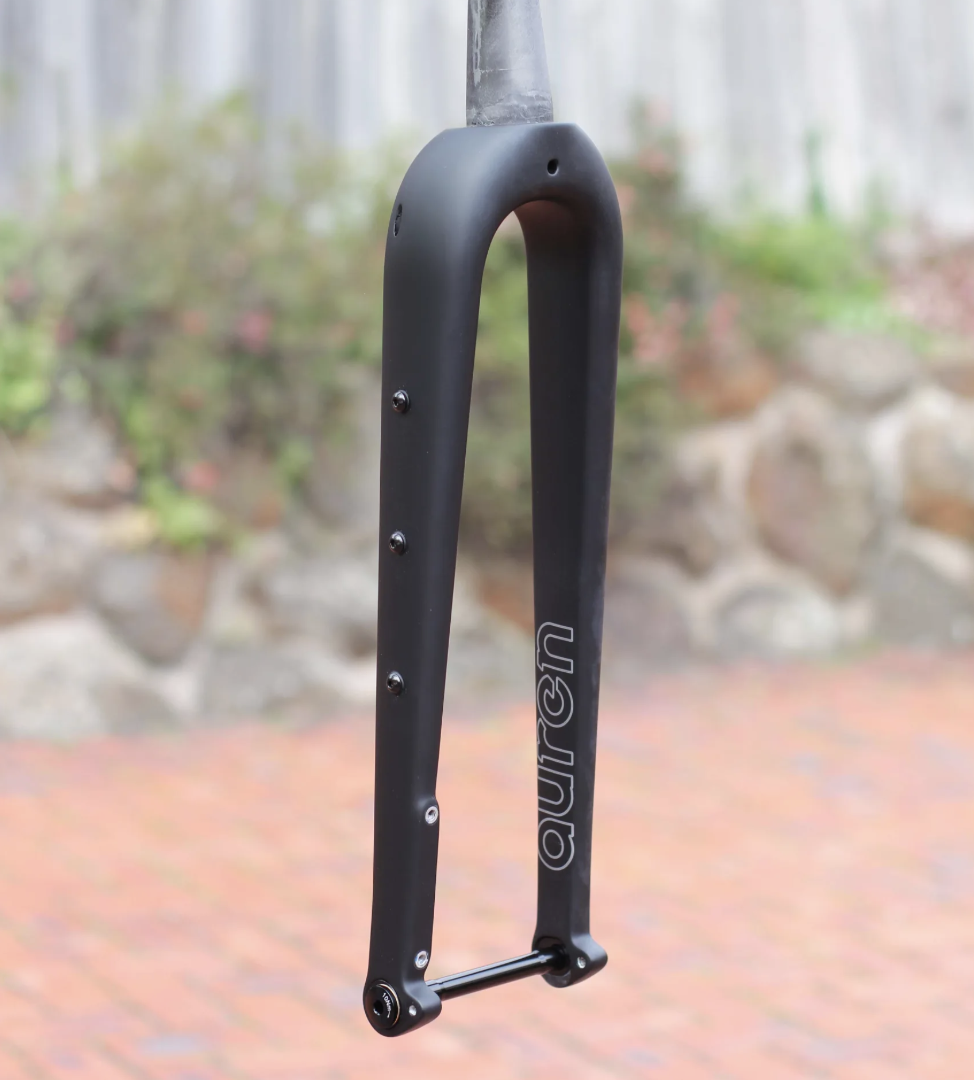
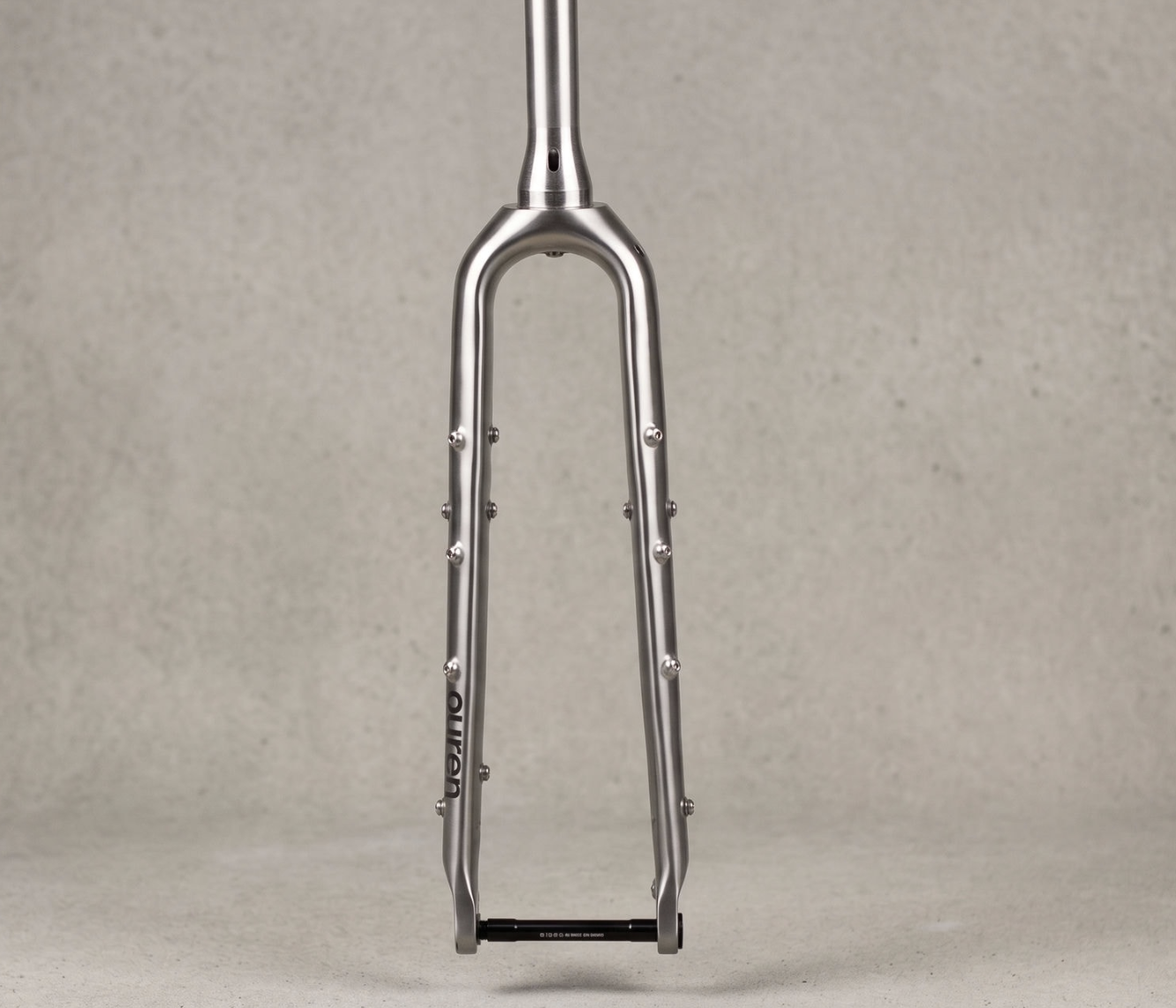
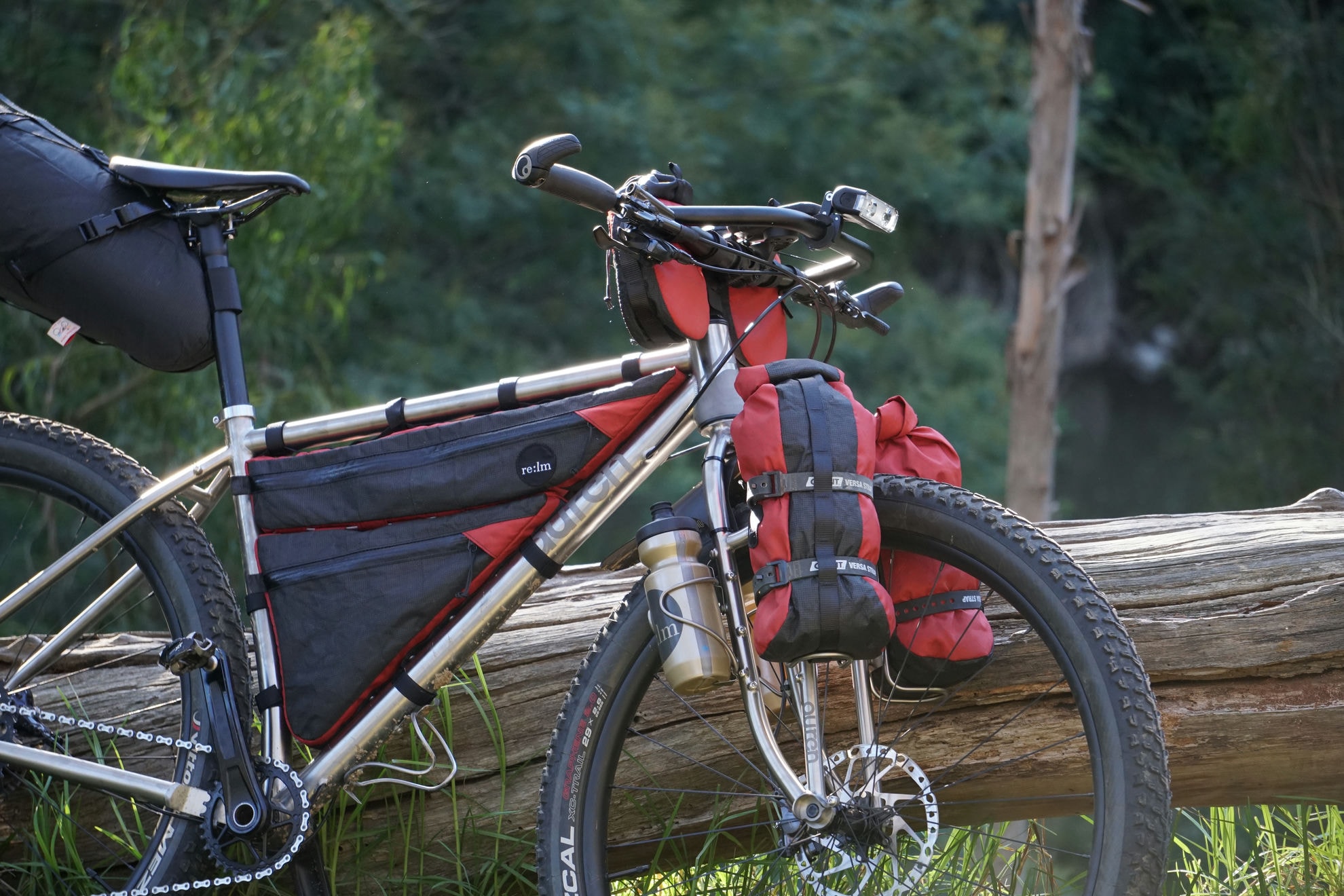
A rigid fork has no moving parts. On road, gravel, touring and most adventure riding, a well-chosen rigid fork — usually carbon, sometimes titanium or steel — is lighter, simpler, more efficient and effectively maintenance-free. The compliance comes from the material and the tyres rather than a damper.
For most riders researching a considered, lasting build — the gravel rider, the road rider, the bikepacker — the honest answer is a rigid fork. We say that plainly because it is true, not because it is convenient. The exception is the hardtail mountain rider seeking proper trails, where suspension earns its place.
Rigid
Lighter, simpler and effectively maintenance-free. The default for road, gravel, touring and adventure. Comfort comes from the material and the tyres.
Suspension
Real travel for technical singletrack, drops and sustained rough descents. Worth the weight and servicing only when the terrain genuinely demands it.